












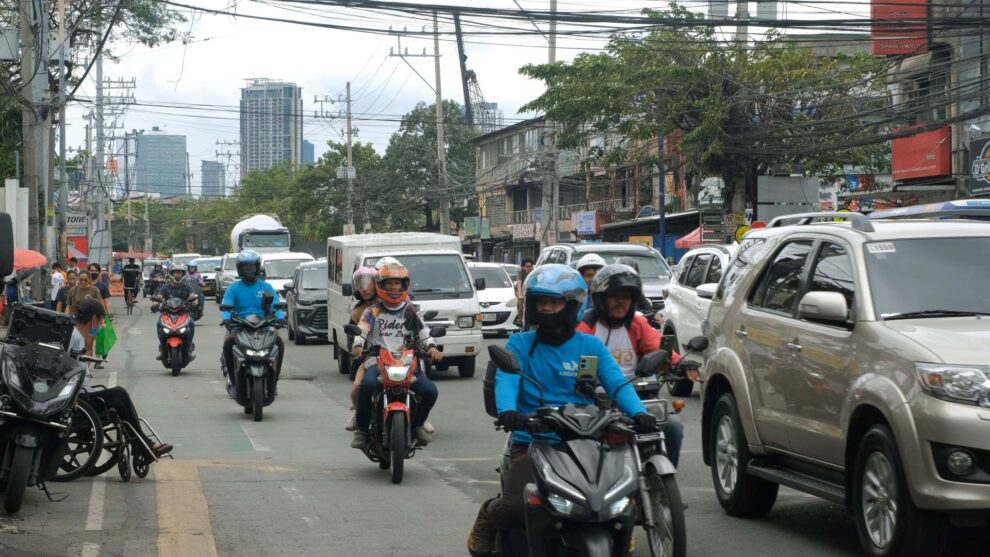

Daily travel in Philippine cities has become a test of endurance. With limited public transport and worsening congestion, commuters spend over two hours a day on the road—often juggling multiple modes just to arrive on time. Jeepneys, tricycles, and taxis remain essential, but their limits are increasingly felt as cities grow denser.
What people want isn’t a transport debate—it’s relief. Residents and visitors alike are asking for journeys that are safer, cooler, and less exhausting, especially during peak hours. Online discussions point to the same conclusion: progress doesn’t mean replacing what works, but adding better options.
Electric vehicles emerge here not as disruptors, but as complements—offering enclosed, air-conditioned comfort for those who need it most, while helping drivers manage rising fuel costs and improve income stability. As expectations shift toward reliability and comfort, mobility becomes less about speed alone and more about livability.
In the end, urban transport in the Philippines is a daily reality, not a policy abstraction. When diverse options coexist and evolve together, cities move closer to what commuters truly need: travel that is manageable, dependable, and humane.